Choose a path
Two instruments, two development tracks
The nylon-string path is active and developed through classical fingerstyle, flamenco, mariachi, rhythm, and singing. The electric path is visible but intentionally faded: I own the instrument, but have not yet built the pick-based vocabulary to claim it.
11saved resources
45skills mapped in this draft
9skills currently developing
10 mindaily minimum
Current quests
The work most likely to break the noodling loop
These are not claims of a formal curriculum yet. They are the clearest weaknesses and next actions reconstructed from practice notes and previous planning.
Build a steadier internal pulse
Use subdivisions, a metronome, and the actual rhythm of each song instead of relying on familiar strumming.
Start hearing before searching
Practice intervals, keys, chord quality, progressions, and short melodies by ear.
Polish one complete sing-and-play song
No phone, no stopping, secure lyrics, stable rhythm, and a recoverable performance from beginning to end.
Development map
Parallel streams of guitar development
Guitar progress is not a single ladder. Rhythm, technique, theory, ear training, repertoire, and performance advance unevenly and reconnect constantly. This map is a provisional reconstruction until the Google Sheet is formalized.
Rhythm & Accompaniment
Time, groove, strumming, and supporting a voice or ensemble.
- Basic pulse & meter Comfortable
Keep time through simple chord accompaniment.
- Open-chord transitions Comfortable
Move through common progressions without stopping.
- Rumba & huapango patterns Comfortable
A familiar part of the nylon-string vocabulary.
- Sing while playing Developing
Possible now; consistency and memorization remain uneven.
- Song-specific rhythm Developing
Replace generic patterns with the rhythm the song actually needs.
- Subdivision & syncopation Next up
Strengthen eighths, sixteenths, accents, and off-beat control.
- Flamenco compás Next up
Develop reliable, palo-specific rhythmic structure.
- Accompany cante & baile Locked
A longer-term ensemble and performance branch.
Nylon-String Technique
Classical fingerstyle and coordinated melody with accompaniment.
- Classical fingerstyle Comfortable
The primary right-hand approach.
- Arpeggiated accompaniment Comfortable
Used across songs and classical study.
- Finger independence Developing
Functional, but worth returning to deliberately.
- Alternating bass Developing
Present in repertoire work; needs greater automaticity.
- Melody over accompaniment Next up
Bring melody and harmony forward simultaneously.
- Classical tremolo Next up
A focused future technique rather than casual noodling.
- Complete solo arrangements Locked
Polished, memorized pieces that hold together as performances.
Flamenco & Mariachi Vocabulary
The stylistic language already closest to the center of the journey.
- Basic rasgueado Comfortable
A long-used part of free playing and accompaniment.
- Triplet rasgueo Comfortable
One of the stronger learned strumming tools.
- Abanico Comfortable
Available, though it still benefits from rhythmic context.
- Golpe integration Developing
Coordinate percussion without destabilizing time.
- Palo-specific vocabulary Next up
Connect techniques to musical forms instead of treating them as isolated tricks.
- Picado Next up
Develop clean, authentic alternating-finger scale work.
- Alzapúa Next up
Build controlled thumb-driven rhythmic and melodic playing.
- Falsetas inside compás Locked
Place learned material correctly inside a living rhythmic framework.
Fretboard, Theory & Ear
Turn shapes and memory into understanding, recognition, and choice.
- Major & minor scales Comfortable
Known as shapes and practice material.
- Pentatonic positions Comfortable
Multiple positions have been learned.
- Natural notes on the neck Developing
Partly mapped; speed and instant recall remain goals.
- CAGED connections Developing
Introduced, but not yet an automatic whole-neck system.
- Intervals & triads Next up
The bridge between fretboard knowledge, chords, and ear training.
- Chord construction & function Next up
Understand why progressions work and transpose them intentionally.
- Relative pitch & transcription Next up
Identify notes, chords, and melodies without immediately reaching for a tutorial.
- Improvisation through harmony Locked
Hear chord movement and choose notes with purpose.
Repertoire & Performance
Convert fragments, chord knowledge, and lyrics into music that survives pressure.
- Learn chord structure Comfortable
The entry point for many songs.
- Play recognizable sections Comfortable
A common current level across the wider repertoire.
- Add voice Developing
A real breakthrough, but not yet reliable across all songs.
- Memorize lyrics & form Developing
Remove dependence on the phone and external prompts.
- Hold rhythm through mistakes Next up
Recover without restarting or breaking the performance.
- Record a complete take Next up
Use recordings as evidence and feedback, not only as a final product.
- Maintain a live repertoire Locked
Keep older songs ready instead of relearning them from zero.
Pick & Electric
A dormant instrument and a separate physical vocabulary waiting to be developed.
- Pick grip & attack Next up
Find a relaxed, repeatable contact point.
- Downstrokes & alternate picking Next up
Build clean repetition and controlled string crossing.
- Power chords & palm muting Locked
The basic rhythm-guitar language of the electric path.
- Riffs across strings Locked
Coordinate picking, fretting, and unused-string muting.
- Bends, vibrato & slides Locked
Develop expressive lead phrasing rather than only moving through shapes.
- Pentatonic lead vocabulary Locked
Transfer known scale material into phrasing and call-and-response.
- First complete electric song Locked
The milestone that visibly unlocks the second instrument path.
Repertoire snapshot
Songs kept visible instead of scattered
This is a provisional husk reconstructed from previous guitar conversations. The future sheet will separate “know the chords,” “playable,” “singable,” “polished,” and “maintenance” more precisely.
Playable / established
Songs with meaningful functional progress; exact readiness varies.
- El Rey
- El Reloj
- Esos Ojitos Negros
- El Cascabel
- Los Machetes
- Cortijo
Learning / needs polish
Material that may have chords, sections, or technique in place but still needs rhythm, memory, or completion.
- Piel Canela
- La Bikina
- La Cama Vacía
- Deja Que Salga La Luna
- Merceditas
- Malagueña
- Étude in E minor — Tárrega
Future queue
Songs deliberately kept visible so they do not disappear into scattered notes.
- Pelea de Gallos
- Vive
- En Tu Pelo
- Malagueña Salerosa
- Lástima Que Seas Ajena
- Pichak
- Maruja Limón
Tracking philosophy
More direction without turning practice into paperwork
The older log can remain honest: date and total minutes. Richer tracking should be event-driven. Update a song or skill only when its status changes, choose a weekly focus, and let the site calculate the rest. The map should reduce indecision, not create a second hobby made of data entry.
- 1Every session: keep the existing date and minutes.
- 2Only when useful: optionally identify one focus, song, or skill.
- 3Only when changed: move a roadmap node or repertoire status.
- 4Once a week: choose the next three quests.
Resource library
Lessons, performances, techniques, and references
The roadmap shows where I am going. This searchable Raindrop library preserves the material that can help me get there.
Showing 11 resources
 Como tocar "El reloj" bolero tradicional mexicano en guitarra (Canción con el Círculo de Re mayor)
  Calm down by Rema #guitar
  Flamenco Rumba Technique Tutorial
  SUPER EASY Scale for Beginners | E Minor Pentatonic Scale
  1 Minute Guitar Lesson - The Triplet Rasgueo flamenco technique
 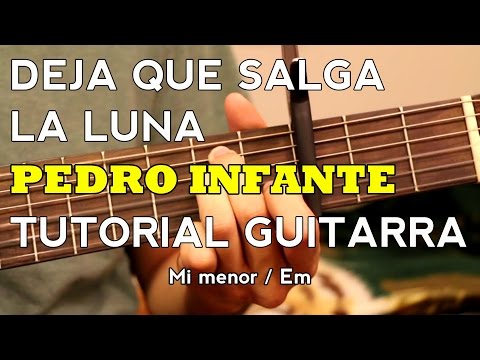 Deja Que Salga La Luna - Pedro Infante / Jose Alfredo Jimenez - Tutorial - Como tocar en Guitarra
  Hijaz Scale
  Etude in Em - Tarrega
  Tetris Theme (Korobeiniki) - Guitar Lesson + TAB
  Esos Ojitos Negros - Dúo Dinámico
  Mercedita - Grupo Querencia