The people, projects, and ideas behind the system
Ideas that shaped LifeLoggerz
LifeLoggerz did not emerge from a single productivity method. It grew from life loggers, designers, athletes, experimenters, apps, and communities that each revealed a different way to record and understand a life.
The idea map
Nine sparks behind LifeLoggerz
Select an influence to jump directly to the story and the idea I carried forward.
Chapter one
Record and reflect
These influences showed me that ordinary days become more useful—and more meaningful—when they are recorded in a form that can be revisited.
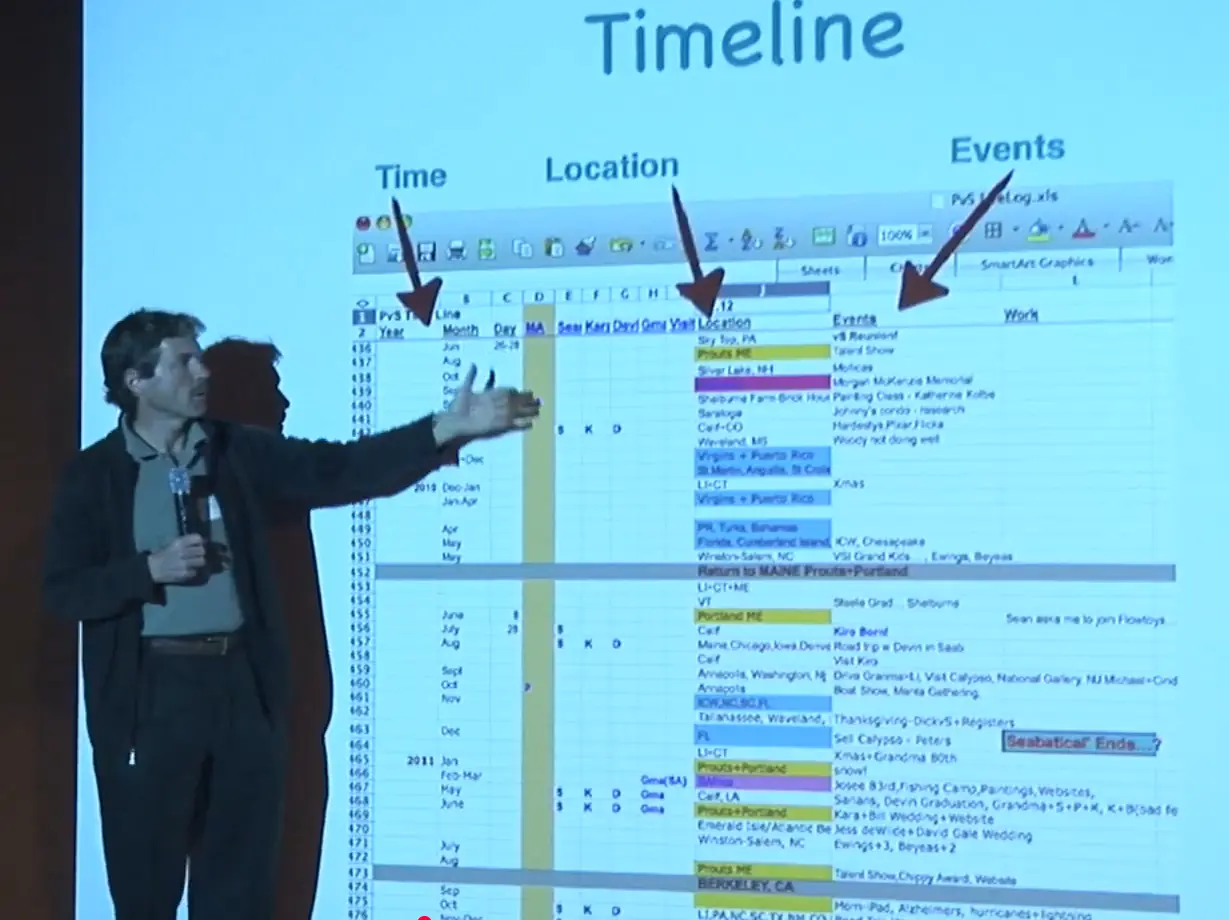
Phil Von Stade
The spreadsheet life logger who made the idea feel real
I assumed that building a life log in spreadsheets was an unusually solitary idea until I found Phil Von Stade’s 2012 video. Seeing someone else preserve everyday life in a structured sheet made the practice feel less like an odd personal habit and more like a legitimate way to build memory.
Other life loggers have pursued total capture through cameras, sensors, and constant recording. Phil’s approach reinforced what still works best for me: deliberately recording the parts of life that are useful to remember, compare, or understand.
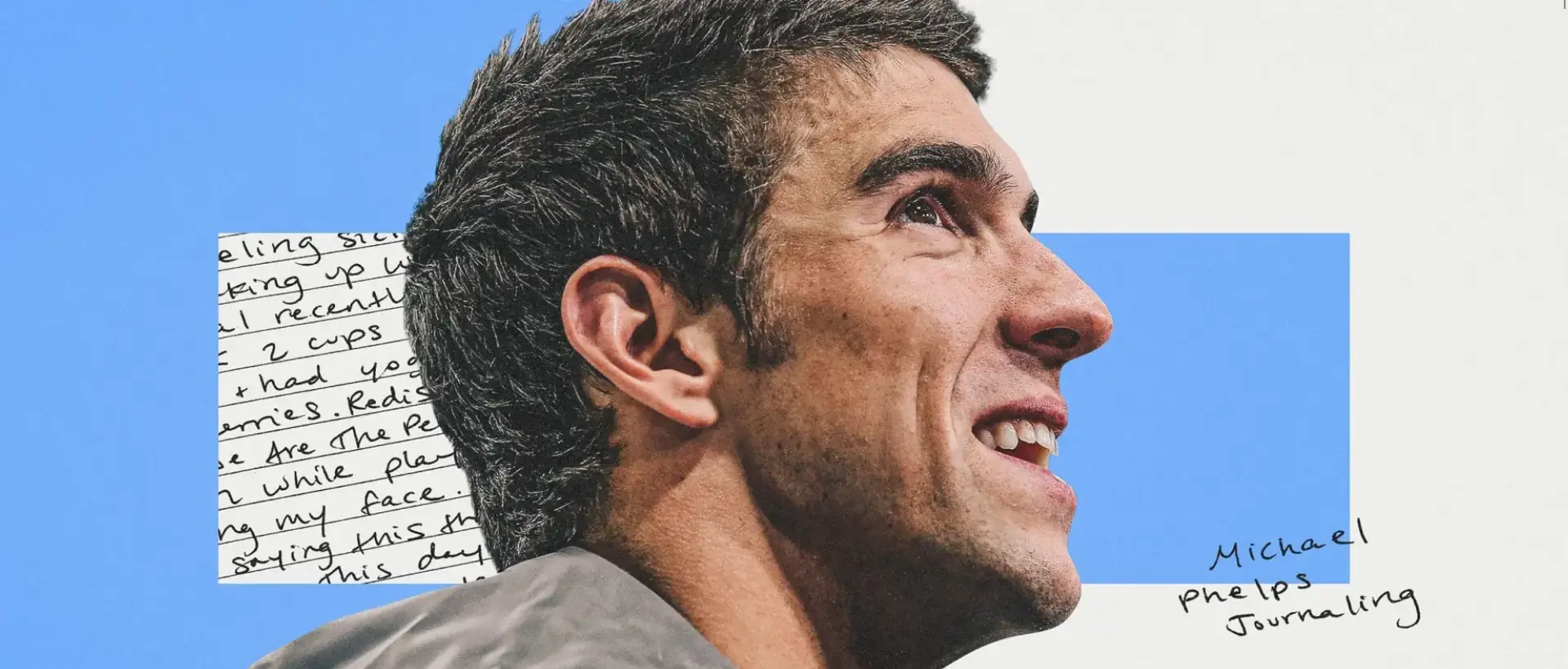
Michael Phelps
Journaling as disciplined self-observation
Learning that an elite athlete used journals to study himself reinforced the value of recording more than outcomes. A result tells you what happened; a journal can preserve the conditions, thoughts, routines, and decisions around it.
Technology extends that practice. Structured entries can be searched, filtered, compared across years, and summarized without sacrificing the original record. That combination of reflection and analysis became central to LifeLoggerz.
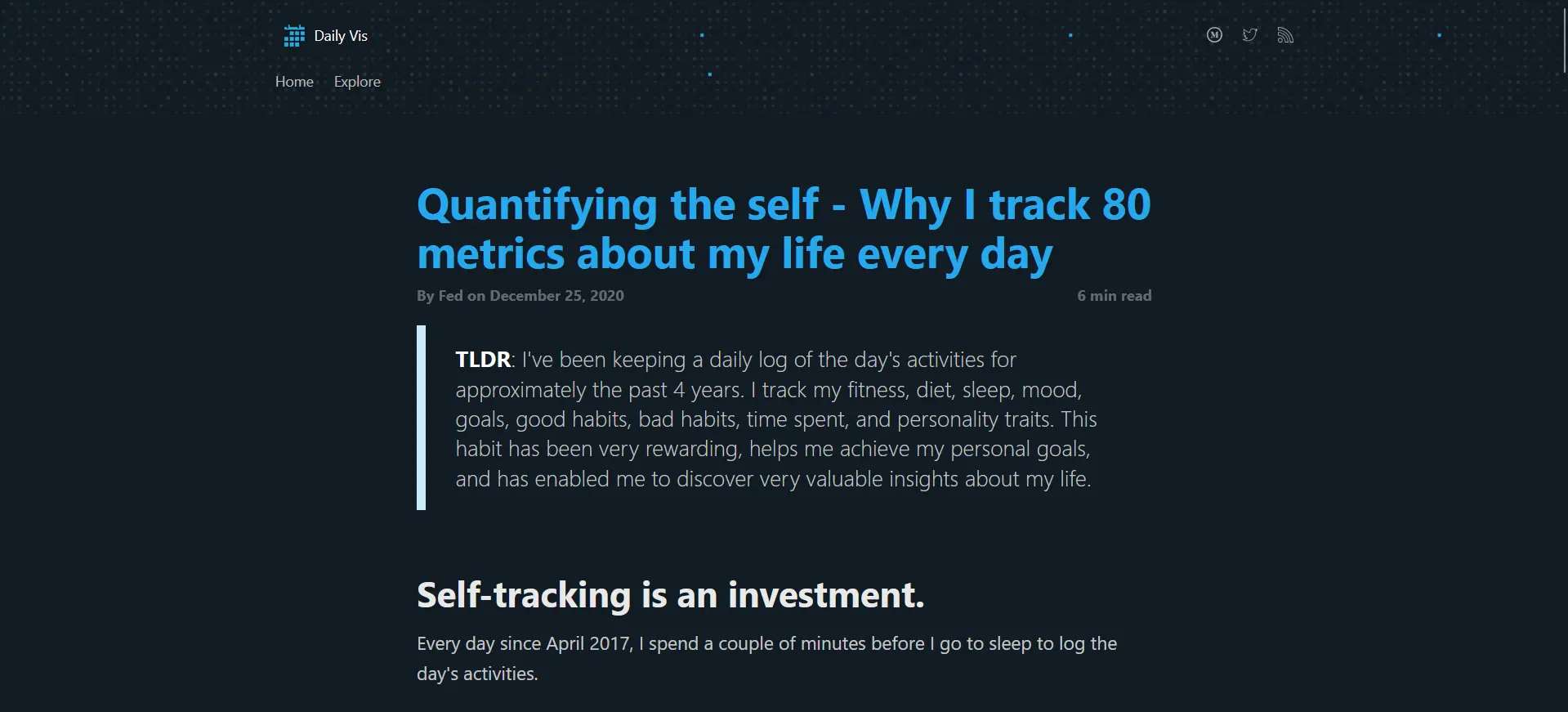
Quantified Self
Data for self-knowledge, not data for its own sake
The Quantified Self community gave me a wider language for what I was building. Personal data could be used to ask questions, test assumptions, and uncover patterns that memory alone would miss.
It also supplied an important boundary: collecting more is not automatically better. A variable earns its place when it helps preserve something meaningful, improve a decision, or make a pattern visible.
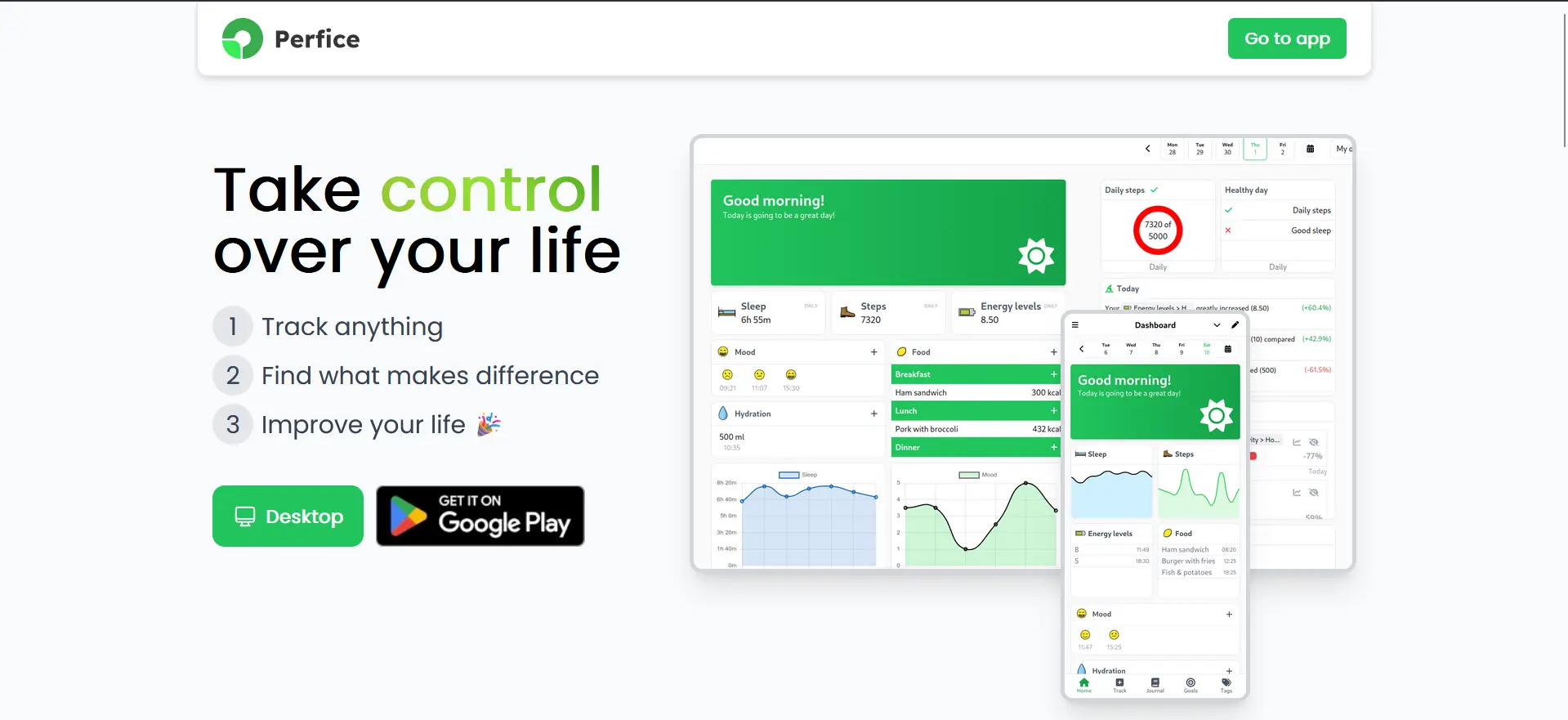
Perfice
A focused interface for everyday tracking
Perfice demonstrates how approachable a purpose-built life-tracking app can feel. A clean interface lowers the friction between experiencing something and preserving it.
For my own system, I still prefer Google Sheets because every formula, table, and automation remains visible and editable. Perfice nevertheless keeps the possibility of a more polished LifeLoggerz interface in view.
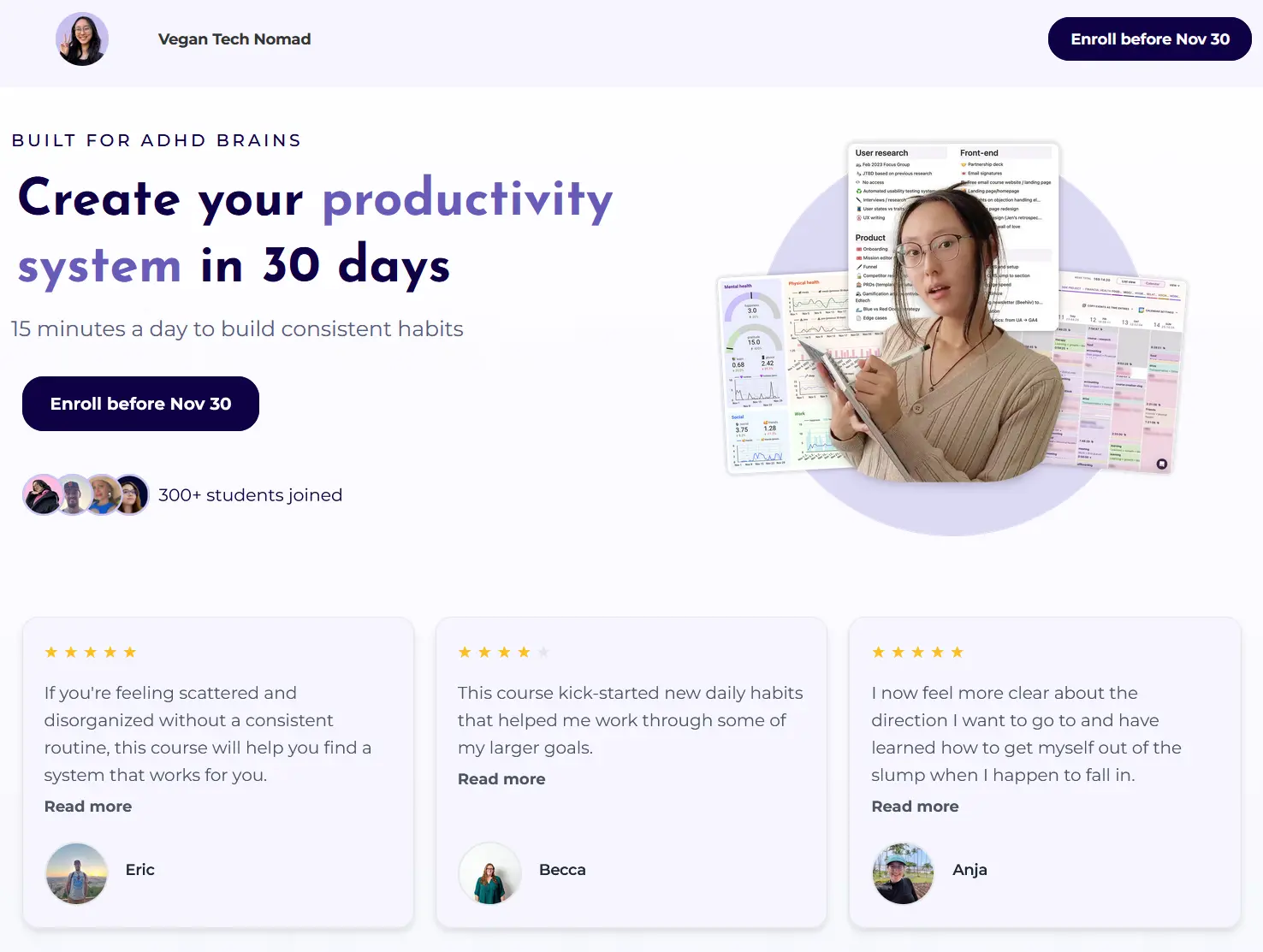
VeganTechNomad
Proof that lightweight tracking can still change perspective
VeganTechNomad approaches life tracking through simple habits and lightweight reflection. Her work is a useful reminder that a system does not need hundreds of variables to help someone notice how they live.
That contrast also helped define LifeLoggerz. My own system goes deeper because I want years of records to connect across routines, media, work, health, and memory—but depth should remain a choice, never an entry requirement.
Chapter two
Optimize and experiment
Tracking became more than preservation when I began treating routines as systems that could be tested, refined, and sometimes left alone.
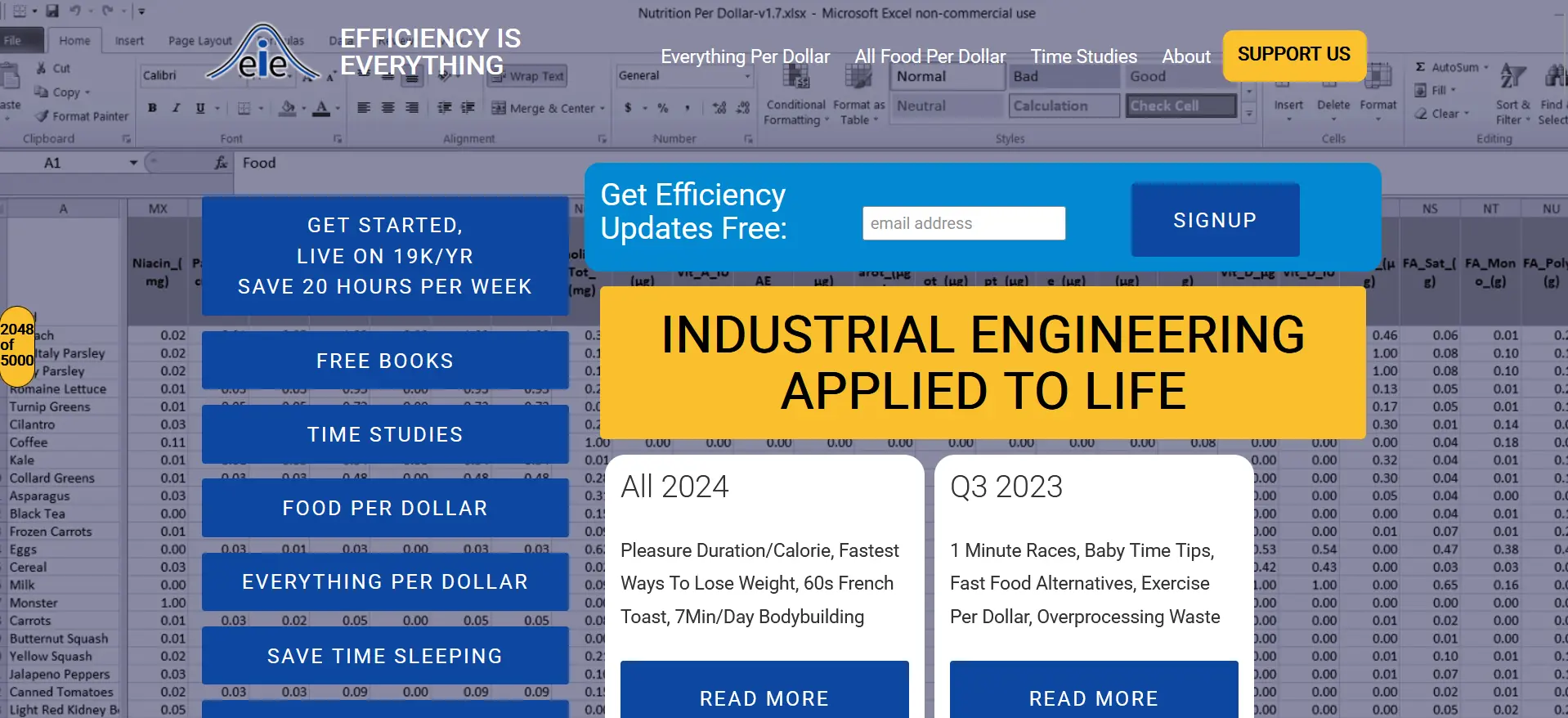
Efficiency Is Everything
Making the hidden cost of repetition visible
Efficiency Is Everything was one of the first sites to change how I thought about small recurring actions. Its breakdowns of food costs, task duration, and daily friction showed how tiny differences accumulate when repeated hundreds of times.
That idea pushed me to automate repetitive work and remove avoidable decisions. I later learned the other half of the lesson: time saved only matters when it is returned to something worth doing.
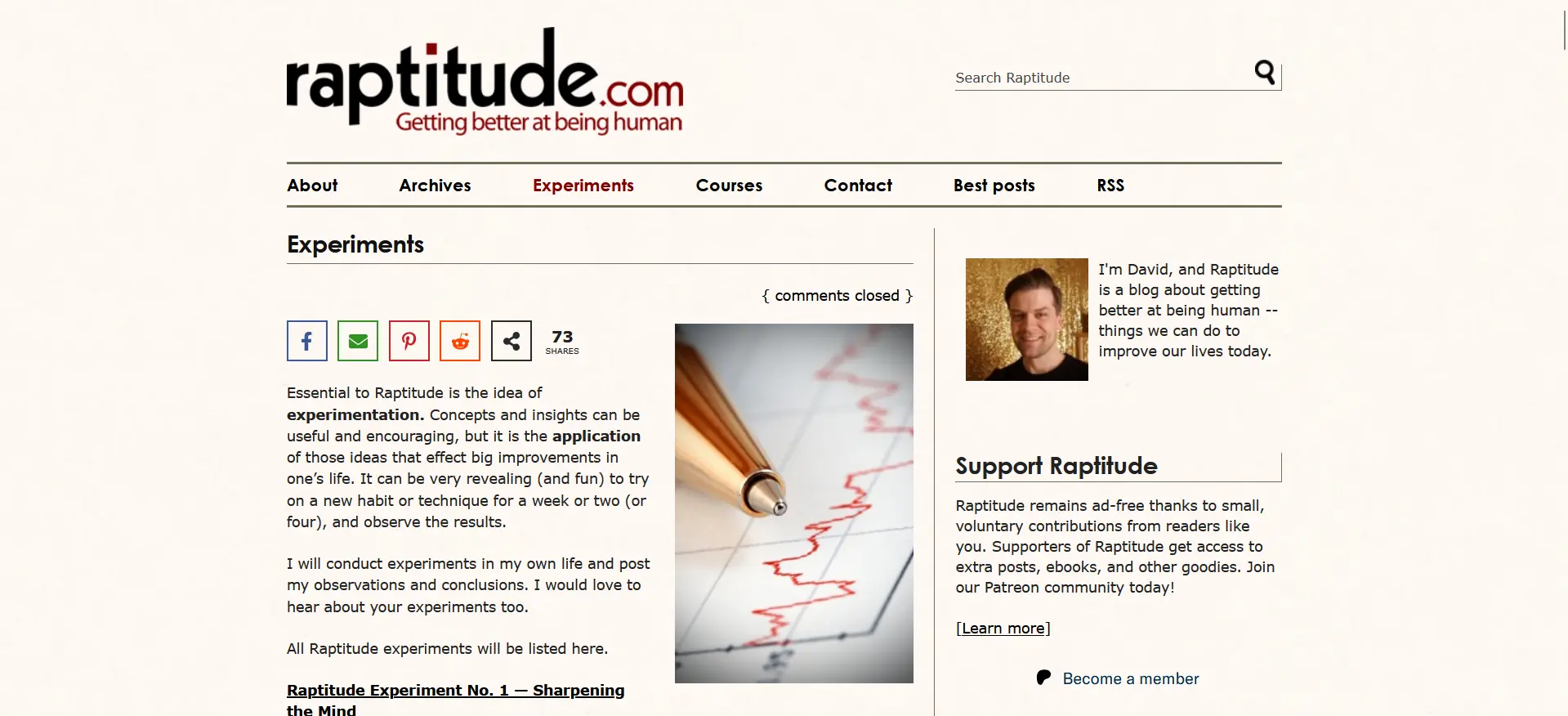
Raptitude
Treating self-improvement as a series of experiments
Raptitude encouraged me to treat changes in daily life as experiments rather than permanent declarations. Try something, observe what happens, keep the useful part, and discard the rest without turning the result into a moral verdict.
That attitude appears throughout LifeLoggerz. The system is never finished, but it also does not need constant expansion. Iteration should solve a real problem, not become a hobby that consumes the life being optimized.
Chapter three
Visualize and preserve
The final leap was realizing that a personal archive should not merely store records. It should make them inviting to revisit.
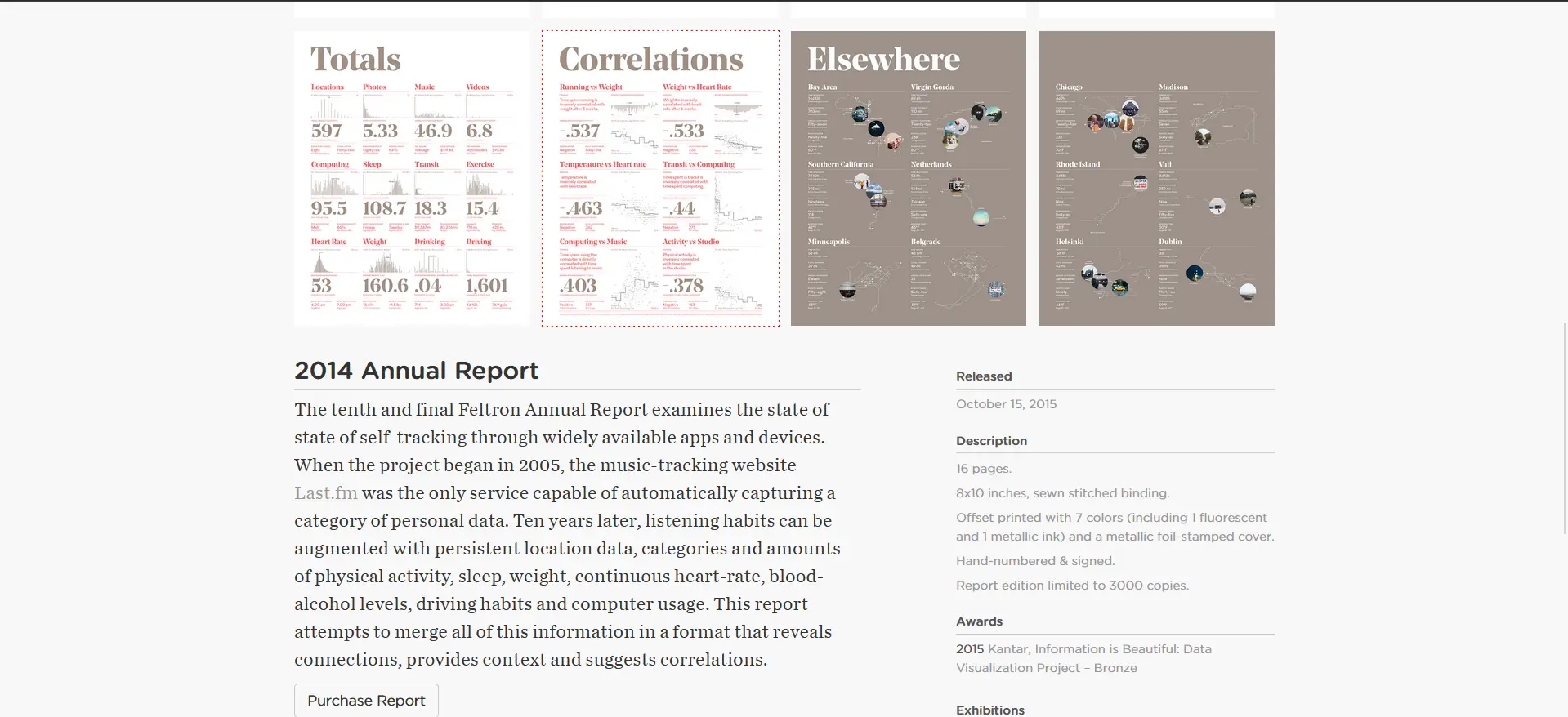
Feltron’s 2014 Annual Report
Turning personal data into visual storytelling
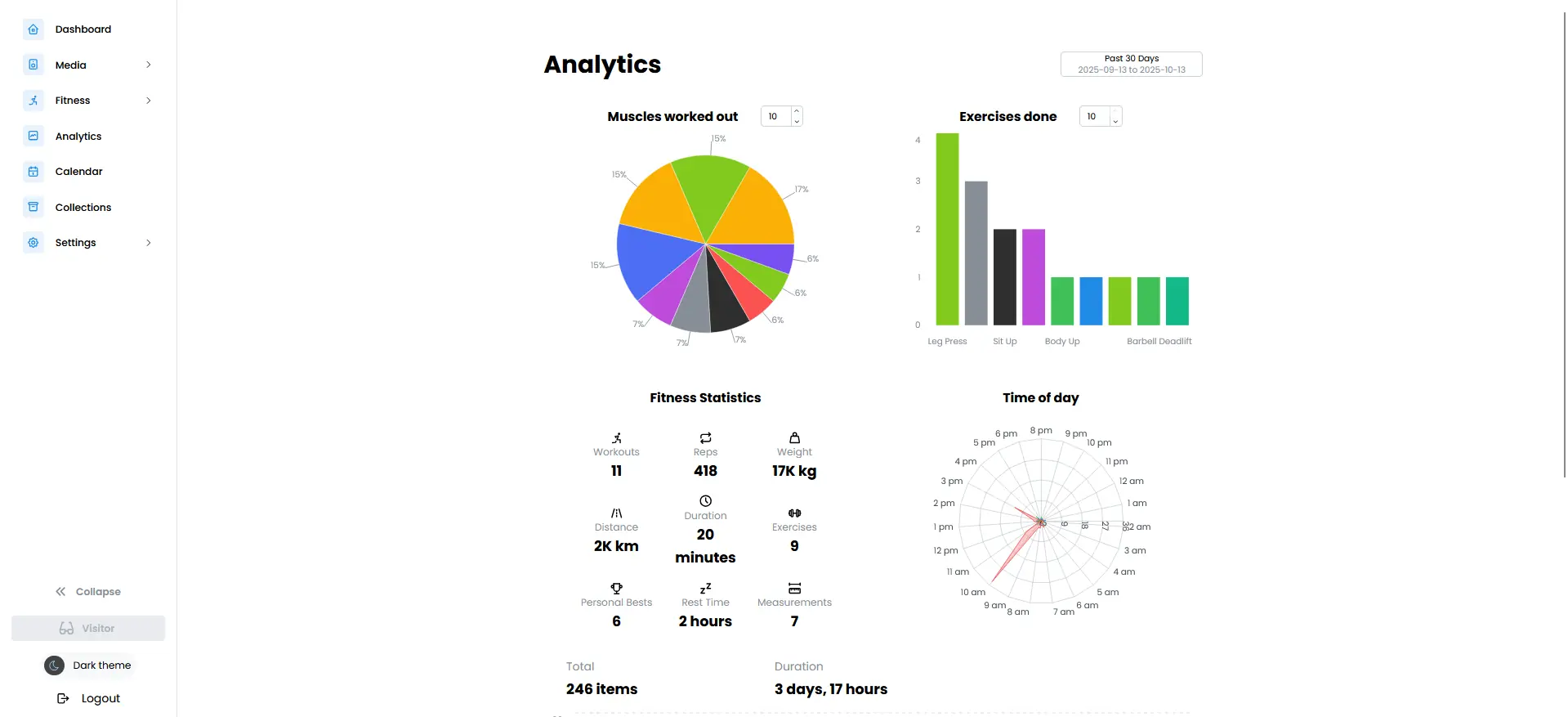
Nicholas Felton’s annual report showed me that collecting the data is only half the job. Design determines whether the patterns feel like numbers in a table or the story of an actual year.
LifeLoggerz began in functional spreadsheets, but Feltron remains the standard that pushes the public project toward clearer graphs, stronger hierarchy, and pages that invite exploration rather than merely proving that the data exists.
RYOT
Treating media consumption as a browsable personal archive
RYOT introduced me to the idea of organizing media as a visual archive rather than allowing books, albums, and art to disappear into separate apps and recommendation feeds. It also led me toward Raindrop as a practical source for cover galleries.
That influence became the Books, Albums, and Art pages: public-facing records of what accompanied different periods of my life, designed to be browsed as well as counted.
From inspiration to system
These ideas became LifeLoggerz
None of them supplied a complete blueprint. I borrowed principles, adapted them to my own life, discarded what did not fit, and built something different. That is the point: take what helps, discard what does not, and create a system that fits the life you actually live.